Dental Implants Abroad: What You Need to Know Before Traveling
Having dental implants abroad can be an important option for people evaluating treatment costs and researching specialist options in different countries. However, dental implants should not be considered merely a short trip and a single-session procedure. For a successful and safe process, clinic selection, physician assessment, imaging, treatment planning, the healing period, and follow-up services should be considered together. With its experienced dentists, advanced oral and dental health centers, and healthcare tourism services, Türkiye is one of the preferred destinations in this field. Nevertheless, before making a decision, you should carefully evaluate your personal health status and all stages of the treatment.
How is dental implant treatment planned abroad?
Dental implant treatment is based on placing an artificial implant that replaces the root of a missing tooth into the jawbone and applying a prosthetic tooth on top of it. The treatment may vary depending on the number of missing teeth, the condition of the jawbone, the health of the gums, the implant system to be used, and the patient’s general health.
Treatments planned abroad generally consist of the following stages:
- Remote preliminary assessment and review of medical history
- Oral examination and digital imaging upon arrival at the clinic
- Creation of a personalized treatment plan
- Bone grafting, sinus lifting, or gum treatment when necessary
- Placement of the implants
- Monitoring of the healing process
- Application of restorations such as abutments and crowns
- Sharing a plan for check-ups, maintenance, and long-term follow-up
It may not be possible to complete all stages during the same trip for every patient. The time required for the implant to integrate with the jawbone varies from person to person. In some cases, implant surgery may be planned for the first trip, followed by permanent prosthetic treatment during a subsequent trip.
What health information should be shared before traveling?
Providing the clinic with accurate and up-to-date information during the initial consultation is the foundation of a safe treatment plan. Imaging such as panoramic X-rays or three-dimensional dental scans may assist with the preliminary assessment; however, the final decision is generally made after a clinical examination and the necessary imaging.
It is important to share the following information with the healthcare team:
- The number of missing teeth and how long they have been missing
- Previous dental treatments or implant procedures
- Diabetes, bone diseases, or conditions related to the immune system
- Regular medications, especially blood thinners
- Known allergies to medications, anesthetic agents, or metals
- Smoking and tobacco use
- Pregnancy or plans for pregnancy
- Teeth clenching or grinding habits
If you take blood thinners or have chronic conditions, you should not stop your medications on your own. Before treatment, the opinion of your dentist and the relevant specialist physician should be obtained.
What should be considered when choosing a clinic and dentist?
When having dental implants abroad, simply comparing prices is not the right approach. The safety and long-term success of treatment are closely related to the dentist’s experience, the clinic’s technical infrastructure, the traceability of the products used, and the quality of post-treatment support.
Verify the clinic’s qualifications
Research the clinic’s official registrations, the dentist’s professional qualifications, and their experience in implantology. Ask for information about the center’s sterilization protocols, imaging systems, and approach to emergencies. It should be clearly stated which dentist or dentists will carry out the treatment.
Ask about the implant brand and product documentation
You may request written information about the brand and model of the implant system to be used, the authenticity of the product, and the warranty conditions. An implant passport or product labels can be useful during subsequent check-ups and potential maintenance procedures. The phrase “the best implant” does not refer to the same product for every patient; the choice should be based on clinical requirements and the dentist’s assessment.
Make sure the treatment plan is provided in writing
The quotation should clearly state which procedures are included, which procedures may require additional fees, how check-ups will be carried out, and what type of prosthetic material will be used. General expressions such as “implant package” may not be sufficient for understanding the scope of treatment.
How should travel be planned for dental implants?
When planning flights, accommodation, and transfers before the treatment date, the surgical nature of the procedure should be taken into account. Swelling, tenderness, or difficulty chewing may occur after implant placement. Therefore, instead of preparing a busy sightseeing schedule immediately after treatment, it may be more appropriate to allow time for rest.
Consider the following points when planning your trip:
- Allow sufficient time for the initial examination and imaging.
- Plan the follow-up period recommended by the clinic after the surgical procedure.
- Do not set your flight date too early without the dentist’s recommendation.
- Find out in advance whether a second trip will be necessary for longer treatments.
- Evaluate transportation from your accommodation to the clinic and access to a healthcare facility if necessary.
- Check the coverage of your travel and health insurance for treatment-related expenses.
In cities with well-developed healthcare tourism infrastructure, such as İzmir, clinic, accommodation, and transportation coordination can be planned together. However, the city’s tourist attractions should not take priority over medical assessments and treatment requirements.
How should the cost of dental implants abroad be evaluated?
The cost of dental implants depends on many factors, including the number of implants, the implant brand, the type of prosthesis, the need for bone grafting, the anesthesia method, imaging, accommodation, and transfer services. Therefore, making a decision based solely on one total price can be misleading.
When requesting a quotation, ask for answers to the following questions:
- Are the examination and three-dimensional imaging included in the price?
- Are the implant, abutment, and crown charged separately?
- Will a temporary tooth or temporary prosthesis be used?
- How will the cost be calculated if bone grafting or sinus lifting is required?
- Are check-ups, laboratory procedures, and potential adjustments included in the package?
- Could additional costs arise for a second trip and subsequent maintenance?
The treatment price in the country may not always include flights, accommodation, personal expenses, and potential additional healthcare services. A written and detailed treatment plan will help you assess your budget more realistically.
What are the potential risks of implant treatment?
As with any surgical procedure, dental implants may involve risks such as infection, bleeding, pain, swelling, sensitivity in areas close to nerve tissue, and insufficient integration of the implant with the bone. The level of risk may be affected by factors such as oral hygiene, bone structure, smoking, systemic diseases, and adherence to the treatment plan.
If you experience symptoms such as increasing pain, heavy bleeding, high fever, worsening swelling, or difficulty breathing or swallowing after the procedure, you should contact a healthcare facility without delay. Before traveling, find out the clinic’s emergency contact number, its out-of-hours procedure, and which healthcare facilities you can contact in the country where you will be staying.
Why are post-treatment care and follow-up important?
After implant placement, it is important to maintain good oral hygiene, attend the check-ups recommended by your dentist, and use prescribed medications as instructed. Recommendations regarding nutrition, physical activity, and oral care during the first few days may vary depending on the patient and the procedure performed. Therefore, you should follow the instructions of the dentist monitoring your treatment rather than relying on general advice obtained online.
After treatment abroad, having regular dental check-ups in your home country may be beneficial. During these check-ups, the gums around the implant, the fit of the prosthesis, and oral hygiene are evaluated. Keep the clinic’s reports, imaging records, implant passport, and documents related to the materials used.
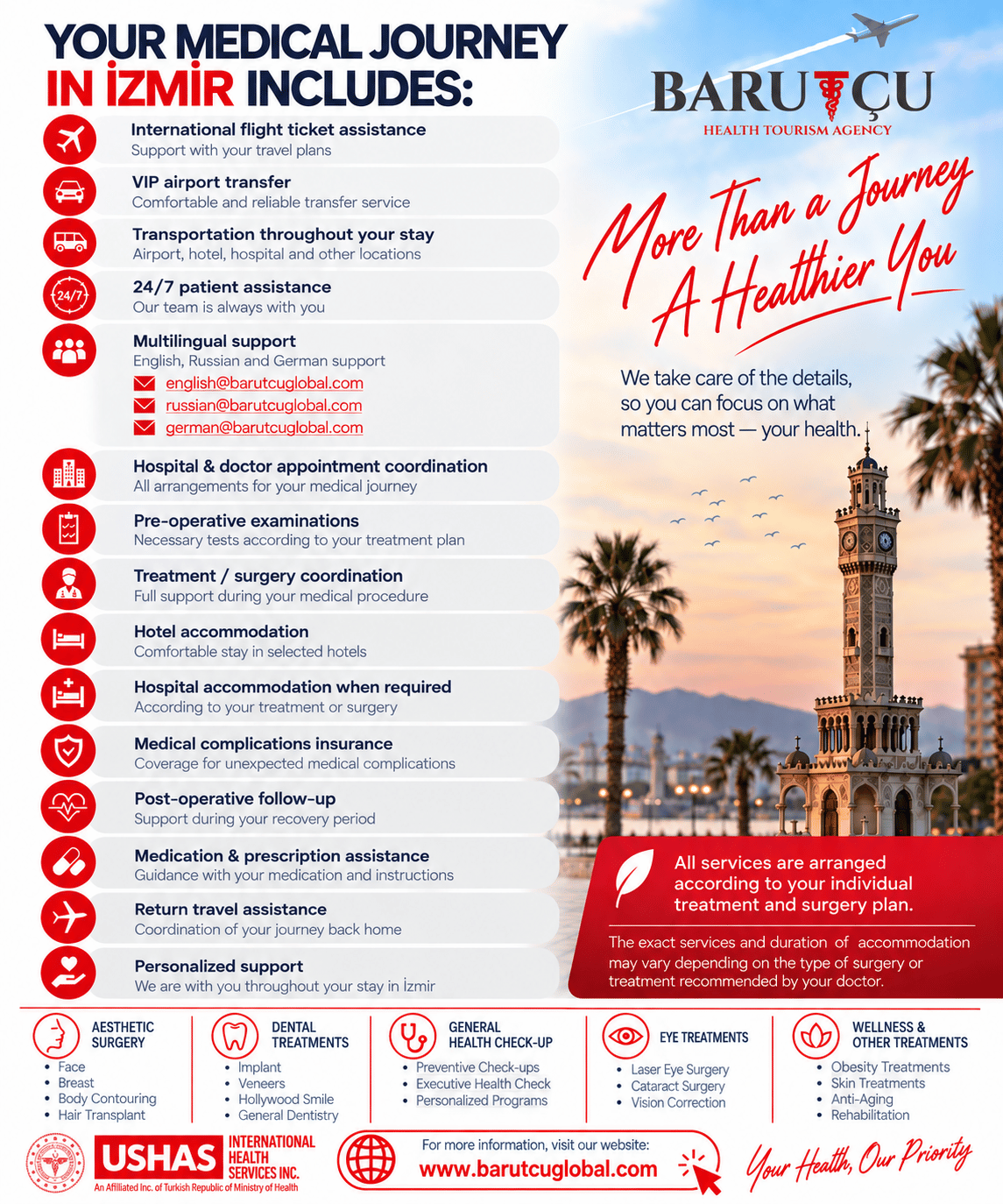
What should be considered during the healthcare tourism process with Barutçu Global?
Healthcare tourism consultancy can help ensure that processes such as clinic and dentist selection, appointment coordination, transportation, accommodation, and communication are managed more systematically. However, the treatment decision should be made between the dentist and the patient based on the results of the medical assessment. During the consultancy process, importance should be given to the confidentiality of personal health information, clear communication, and explaining all stages of treatment in an understandable manner.
When planning through Barutçu Global, it is important to share your medical history completely, clearly state your expectations, and ask questions about any aspects of the treatment plan that you do not understand. It should be remembered that the same procedure or travel program may not be suitable for every patient.
Conclusion: Make a comprehensive assessment before deciding
Having dental implants abroad can offer an opportunity to manage treatment and travel processes together when properly planned. However, the decision should not be based solely on price, a short treatment period, or aesthetic expectations. Clinic safety, the dentist’s experience, the traceability of implant products, potential additional procedures, travel timing, and post-treatment follow-up should all be evaluated together. When planning treatment in Türkiye, particularly in centers with well-developed healthcare tourism services such as İzmir, establishing clear and documented communication with reliable healthcare providers can help you experience a more informed process.