Questions to Ask Before Weight-Loss Surgery in İzmir
For international patients planning weight-loss surgery in İzmir, choosing the right clinic requires much more than simply comparing prices. Bariatric surgery is a comprehensive healthcare process that requires preoperative evaluation, appropriate procedure selection, safe hospital conditions, and a long-term follow-up plan to be considered together. Asking the right questions before coming to Türkiye can help you clarify your expectations and make a more informed decision.
In the guide below, you will find the key questions international patients researching weight-loss surgery or bariatric surgery in İzmir should ask about doctors, hospitals, travel, costs, and the postoperative period.
What questions should I ask before having bariatric surgery in İzmir?
During your initial consultation, rather than focusing only on the question, “Which surgery will be performed?”, try to understand the entire process. The following questions can provide a more comprehensive understanding of the healthcare provider’s approach:
- Which procedures are being considered based on my medical history and weight-loss goals?
- What are the benefits, limitations, and potential risks of the recommended surgery?
- Which tests will be performed before surgery?
- How long will I need to stay in İzmir?
- How will postoperative follow-up and emergency support be provided?
- Which services are included in the cost, and which services are charged separately?
Which bariatric surgery procedure may be suitable for me?
Sleeve gastrectomy, gastric bypass, and other bariatric surgery options have different mechanisms of action, risks, and follow-up requirements. The fact that a procedure was successful for another patient does not mean that the same option will be suitable for you.
You may ask your doctor the following questions:
- Which procedures may be suitable based on my body mass index, existing medical conditions, and previous weight-loss attempts?
- Could reflux, diabetes, sleep apnea, or another health condition affect the choice of surgery?
- What are the long-term nutritional and vitamin requirements of the recommended surgery?
- Could revision surgery be required in the future?
The appropriate procedure should be determined not only according to your weight-loss expectations, but also by taking into account your overall health, eating habits, medications, and long-term follow-up plan. The final decision should be made together with your doctor after a comprehensive medical evaluation.
How can I evaluate the doctor’s and hospital’s experience?
For international patients, the surgeon’s area of expertise and the hospital’s infrastructure are important components of a safe treatment plan. Do not hesitate to request verifiable and understandable information from the healthcare provider.
What questions should I ask the doctor?
- What is the doctor’s area of expertise and experience in bariatric surgery?
- Does the doctor have experience evaluating patients with similar health profiles?
- At which hospital will the surgery be performed?
- What is the approach and intervention plan if complications develop?
What information should I learn about the hospital?
It is important that the hospital is authorized by the relevant health authorities and that the surgery is performed in a healthcare facility with appropriate operating room and intensive care facilities. You should also request information about the anesthesia team, nursing services, laboratory facilities, and access to other specialties when necessary.
Check whether the documents provided by the healthcare provider regarding accreditation, licensing, and quality standards are current and verifiable. Do not rely solely on promotional texts on the website; also review written patient information and the terms of the contract.
Which tests and preparations are carried out before surgery?
Your health must be evaluated in detail before bariatric surgery. Although this evaluation may vary from person to person, it may include blood tests, an anesthesia assessment, a nutritional consultation, and examinations by the relevant specialties when considered necessary.
It is helpful to learn the answers to the following questions in advance:
- Which medical reports and test results should I send before surgery?
- Are any special adjustments required regarding the medications or supplements I take?
- What are the preoperative recommendations regarding smoking, alcohol, or eating habits?
- What are the rules regarding fasting and fluid intake before the day of surgery?
- How would the surgical plan be affected if an additional health issue is identified?
You must inform the healthcare team fully about your existing medical conditions, allergies, previous surgeries, and all medications you take. Incomplete or outdated information may negatively affect the evaluation process.
How long do I need to stay in İzmir for the surgery?
Patients coming from outside Türkiye should plan not only for the date of surgery, but also for the postoperative observation period and follow-up appointments. The length of your stay in İzmir may vary depending on the procedure, your general health, your doctor’s evaluation, and your travel plans.
Ask the healthcare provider about the following:
- When am I advised to arrive in İzmir before surgery?
- On which days will the postoperative check-ups take place?
- When will I be considered fit to fly or undertake a long journey?
- How will transportation between the hotel and hospital be organized?
- Who will I contact if an unexpected situation occurs after surgery?
Obtain medical advice from the healthcare team regarding travel timing before booking your flight. Keep in mind that changes may be required to your flight, hotel, or transfer arrangements.
What is included in the cost of bariatric surgery?
For international patients, the total cost may consist of more than the surgeon’s fee alone. Hospitalization, anesthesia, tests, medications, transfers, accommodation, and follow-up consultations may be included in the package or charged separately.
Request a written and detailed breakdown of the costs. In particular, clarify the following points:
- Are the surgery, hospital stay, and anesthesia included in the package?
- Are preoperative tests and specialist consultations charged separately?
- If accommodation and airport transfers are provided, what do they include?
- How is financial responsibility determined in the event of complications or an extended hospital stay?
- What are the cancellation, postponement, and refund conditions?
In addition to unusually low prices, you should also be cautious about packages whose scope is not clearly specified. Before making a decision, make sure you understand the total cost and the terms of the contract.
What are the risks and potential complications of surgery?
As with any surgical procedure, bariatric surgery may involve bleeding, infection, anesthesia-related problems, blood clotting, and other complications. Risks may vary depending on the procedure performed and the individual’s health condition.
Ask your doctor to explain not only the general risks but also the risks specific to you. You should also learn the following:
- Which symptoms after surgery require me to seek urgent medical attention?
- Which healthcare unit should I contact in İzmir if a complication is suspected?
- How will the risk of nutritional or vitamin deficiencies be monitored after surgery?
- Which check-ups will be required in the long term?
No healthcare provider can guarantee a specific amount of weight loss or a complication-free process. Reliable information should clearly address both the potential benefits and the limitations.
What will postoperative care and long-term follow-up involve?
Weight-loss surgery is not a process that ends on the day of surgery. Dietary habits, physical activity, psychological adjustment, and regular medical check-ups may all form part of the long-term plan.
International patients should especially request a written plan covering the following:
- How will the postoperative fluid and dietary stages progress?
- Will vitamin and mineral supplements be required?
- Will follow-up appointments take place in İzmir or online?
- Which reports will be prepared for me to share with my doctor in my home country?
- Which blood tests and examinations will be recommended during long-term follow-up?
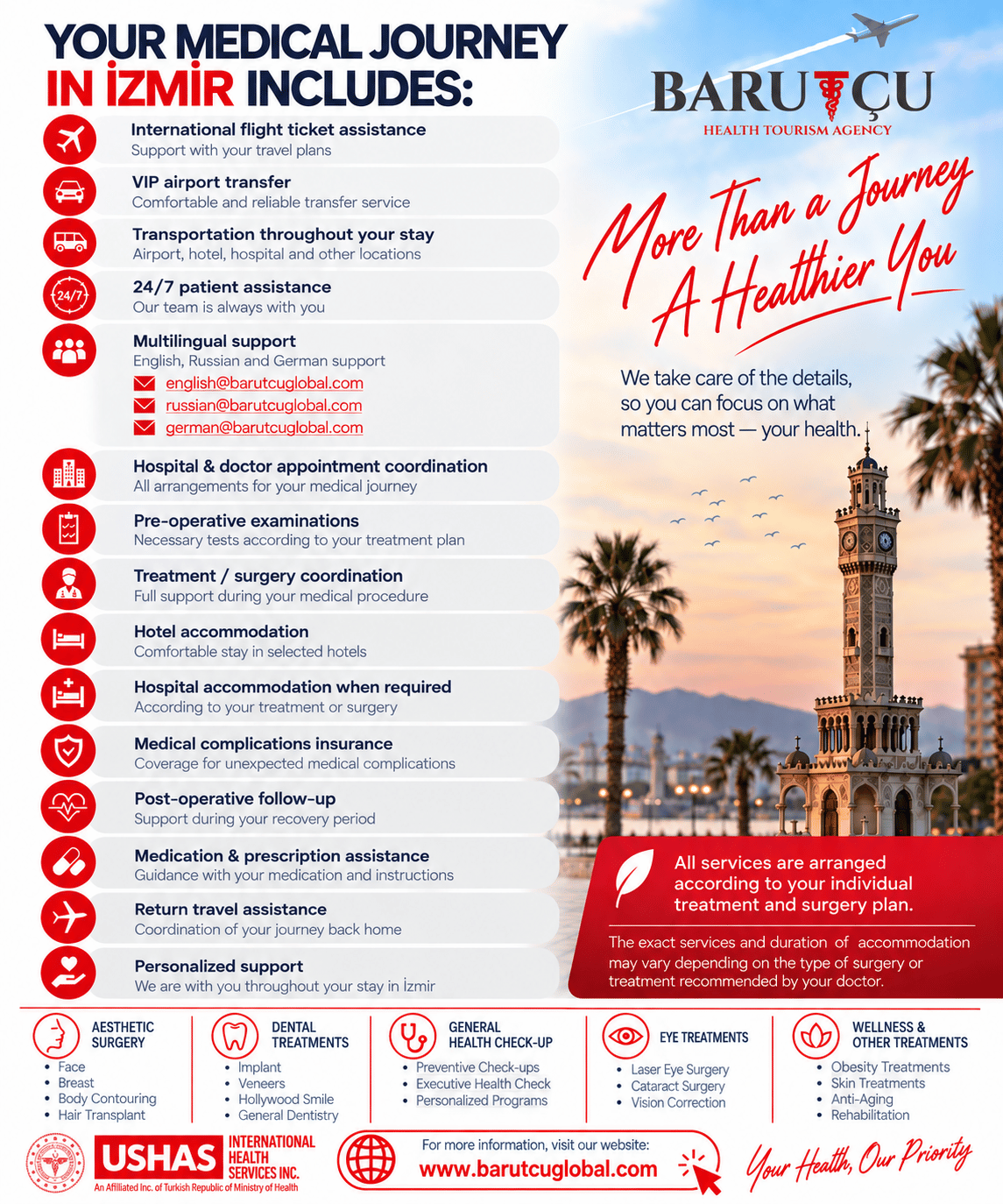
Barutçu Global can help international patients communicate with healthcare providers and obtain information about the process. However, medical decisions must be made based on the assessment of the healthcare team performing the surgery. Coordinating with your doctor in your home country is also important for continuity of postoperative care.
How is language and communication managed during the medical tourism process in İzmir?
Understanding medical information correctly is a fundamental requirement for safe healthcare. Before your initial consultation, ask which languages translation and communication support are available in. Make sure you can understand the consent forms, discharge documents, and instructions regarding medication use.
You may request copies of the following documents:
- Surgery and anesthesia report
- Discharge summary
- Laboratory and imaging results
- Dietary and follow-up plan
- Information about the medications and supplements used
Conclusion: How can I make an informed decision about bariatric surgery in İzmir?
When researching bariatric surgery in İzmir, asking the right questions allows you to evaluate the doctor’s experience, hospital conditions, procedure selection, risks, total cost, and postoperative follow-up together. Rather than making your decision based solely on price or online reviews, request a transparent, documented plan that is appropriate for your individual health condition.
Before surgery, share all your medical information, review written explanations carefully, and ask the healthcare team about anything you do not understand. While Barutçu Global provides information and organizational support throughout the process for international patients seeking healthcare in İzmir, the final medical evaluation and treatment decision belong to the specialist healthcare team.