Hair Transplant: Post-Procedure Clinic Contact Guide
Having a hair transplant abroad means the treatment or aesthetic planning is not limited to the travel and operation phase. When you leave your clinic and return home, correct communication, regular follow-up and reliable information flow remain important. Especially in the first days and weeks after a hair transplant, planning how to communicate with the clinic in advance can make the process more understandable and controllable.
In this guide, we discuss how you can organize communication with your clinic after a hair transplant; which documents you need to keep, how the photo follow-up process can be conducted, and in which cases you need to seek health support without delay. For international patients planning to receive treatment in Turkey, especially in accessible cities for medical tourism such as Izmir, this communication plan should be evaluated before travel.
Why is clinic communication important after a hair transplant?
The healing process after a hair transplant can vary from person to person. The technique applied, the width of the planting area, graft count, the person’s general health status and the clinic’s follow-up protocol may differ. Therefore, general information on the internet, personal assessment or clinic advice cannot replace a clinical evaluation.
Regular communication with your clinic can help with the following:
- Correct interpretation of changes in the healing process,
- Timely completion of planned check-ups and photo submissions,
- Referral of questions about products used in the care process,
- Referral to the appropriate health unit when unexpected symptoms arise,
- Monitoring of long-term hair growth.
This communication should not be thought of as an emergency contact established only when a potential problem arises. Planned and open communication can contribute both to managing the patient’s expectations and to the clinic’s better evaluation of the process.
Create your communication plan before returning home
After a hair transplant, it may be beneficial to request a written and clear follow-up plan from the clinic before leaving the country. This plan should not rely only on messages from clinic staff; it should also indicate when and through which channel you will communicate.
Basic questions to ask the clinic
- When will the first check-up or photo evaluation be done?
- Which communication channel will be used for follow-up: email, messaging app or online meeting?
- How long does it take to respond to messages on average?
- Who is the authorized person or unit to contact?
- How will medical records and care documents related to the procedure be shared?
- In case of an unexpected symptom, should you contact the clinic first or the health facility in the country where you are?
- What are the dates of planned in-person or online check-ups?
Keep this information via email or a written document if possible. Adding the date and content of verbally given information to your personal notes can reduce possible communication confusion later.
Keep your documents and health information organized
When communicating with the clinic after a hair transplant abroad, it is useful to collect documents related to the procedure in a single file so you can share correct information. This file can be prepared in digital and printed form.
Documents that may be useful to keep include:
- Before and after procedure photos,
- Care and follow-up instructions given by the clinic,
- Names of used or recommended products,
- Information about the procedure date and applied method,
- Prescription, lab result or medical evaluation notes if any,
- Clinic contact information and emergency directions,
- Documents related to insurance or travel health insurance.
When you apply to any health facility, you need to inform the health worker when and where the hair transplant was done, the procedure performed and the products you used. This information can help the evaluation process proceed more effectively.
Plan the photo follow-up process correctly
Many clinics can evaluate the patient’s development after a hair transplant through photos. However, it is important that the photos are comparable. Different lighting, angle or hair length can make interpretation of real changes difficult.
Points to consider when sending photos
- Try to comply with the date intervals requested by the clinic.
- Take front, top, right, left and back angles as requested by the clinic.
- Use similar lighting and background as much as possible.
- Send photos without filters and without changing the real appearance.
- If present, briefly and clearly explain pain, swelling, redness or any other change along with the image.
- When sharing photos, ask how your personal data will be stored and who it may be shared with.
Photo follow-up does not always replace a face-to-face examination. If the clinic deems the images insufficient, it may suggest you apply to a local health facility or plan an online meeting.
Manage communication channels and time difference
One practical issue faced by people having a hair transplant abroad is the time difference with the clinic. Especially communication hours may vary between Turkey and the United Kingdom, United States, Australia or different European countries. Therefore, learn the clinic’s working hours, weekend communication policy and the route to follow in emergencies in advance.
Messaging apps can provide fast communication; however, important medical information should not be left only in a personal chat screen. Note the date of important conversations and if possible request a written summary from the clinic. If you need translation support, use short and clear sentences to reduce the risk of misunderstanding. If necessary, get support from a professional translator.
In which symptoms should you contact the clinic or a local health facility?
Some changes can be seen during the healing period; however, deciding whether a symptom is normal based only on internet information is not correct. Regarding your complaints, you can first contact the clinic that performed the procedure. If the symptom is severe, worsening rapidly or appears urgent, you need to apply to the health facility where you are.
Especially in the following cases, seek professional evaluation without delay:
- Uncontrolled or increasing bleeding,
- Severe or progressively increasing pain,
- Widespread redness, noticeable heat increase or heavy discharge,
- Fever or obvious deterioration in general health status,
- Severe and progressive swelling,
- Findings suggesting allergic reaction to medication,
- Emergency symptoms such as vision changes, shortness of breath or fainting.
This list does not aim to diagnose. In an emergency, seek help from local emergency health services instead of waiting for the clinic’s response. The clinic may need to be informed later.
Make the best use of online check-ups
Before an online meeting, prepare your questions in writing. Create short notes about when symptoms started, whether they changed over time, products you use and photos you previously sent to the clinic. Taking notes during the conversation can help you correctly apply the follow-up plan.
Also consider the limits of an online meeting. A camera image or photo may not provide all the information a physical examination would. If the clinic deems necessary, it may suggest a face-to-face evaluation, blood test or another health service.
Communication in the medical tourism process with Barutçu Global
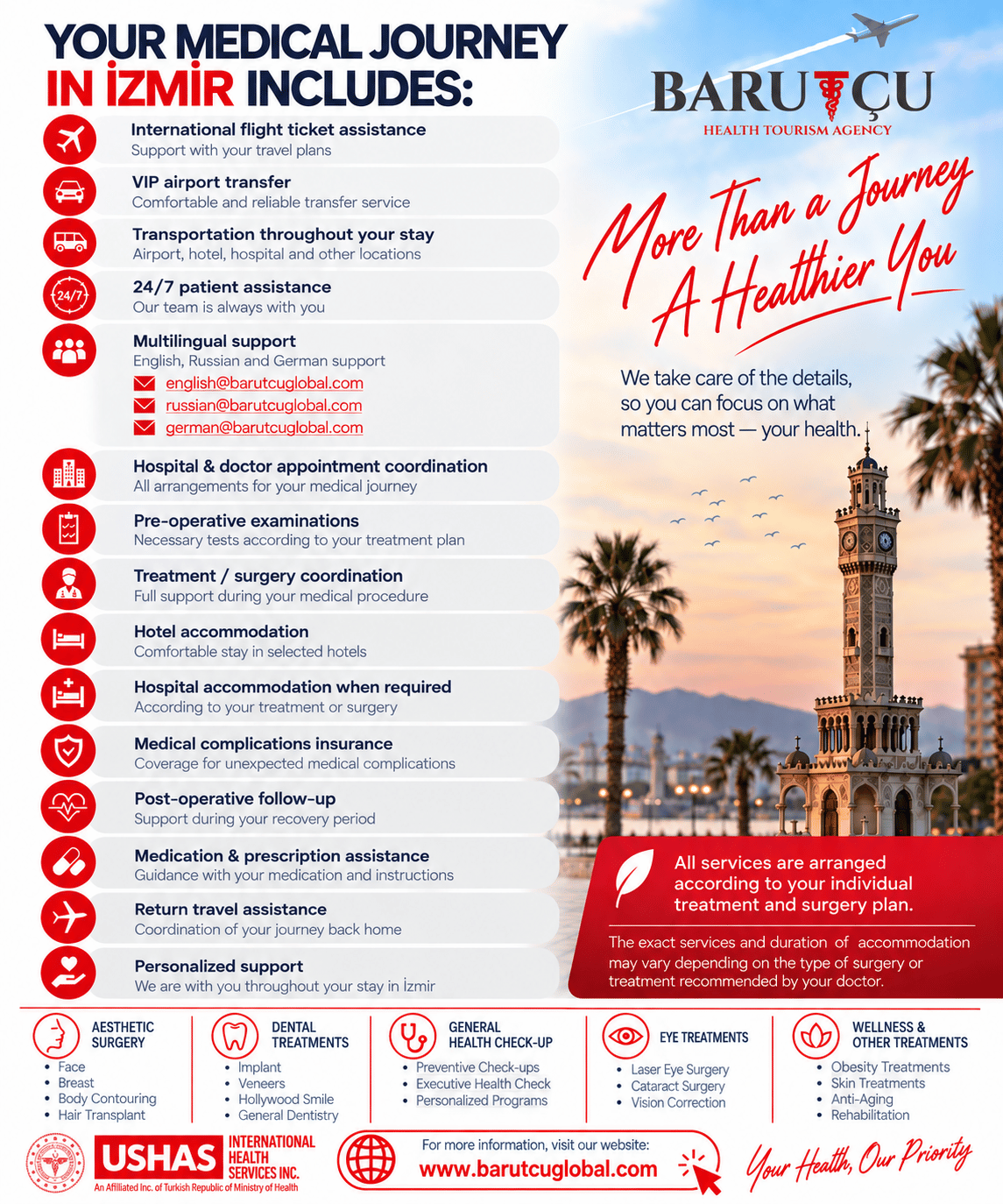
Communication in medical tourism is not limited to medical conversations between clinic and patient. Pre-travel planning, post-procedure information, correct channel referral and language support are also important parts of the process. Barutçu Global aims to help international visitors considering health services in Turkey to obtain understandable information about the process and to plan communication steps more systematically.
People planning a hair transplant in Izmir or other cities of Turkey should clearly evaluate clinic selection, follow-up conditions, communication channels and what support will be provided after returning to their country before the procedure. Service scope, medical decisions and follow-up protocols are determined by the relevant health facility.
Conclusion: Plan communication after a hair transplant before travel
Before undergoing hair transplant abroad, plan not only the surgery date and travel itinerary but also the communication process after returning home. Learn the clinic’s follow-up protocol in writing, keep your documents organized, clarify photo sharing methods, and know in advance which healthcare facility to contact in emergencies.
Regular, clear and secure communication can help the hair transplant process be followed more consciously. However, every health process is individual. In case of concerning symptoms, seek evaluation from the clinic where the procedure was performed or from authorized health professionals where you are.