How to Prepare for Cardiac Treatment Abroad: Documents, Consultation and Follow-Up
Planning cardiac treatment abroad requires more than arranging a flight and booking a hospital appointment. International patients should prepare their medical records, understand the proposed treatment, confirm travel requirements and establish a clear follow-up plan before leaving home. With the right information and support, patients and their families can approach treatment in Türkiye with greater confidence and fewer unexpected difficulties.
This guide explains the main steps involved in preparing for cardiology treatment abroad, from the first online consultation to recovery after returning home. It is intended as general information and does not replace advice from a qualified cardiologist.
Start with a Complete Medical Assessment
Before considering treatment overseas, speak with your local doctor or cardiologist. Ask for an up-to-date assessment of your condition and discuss whether you are medically fit to travel. Some cardiac conditions may require urgent care, and international travel should not delay emergency evaluation or treatment.
Your local specialist can also help clarify your diagnosis, previous treatments and current medical needs. This information allows the international hospital’s cardiology team to review your case more accurately and advise whether an in-person consultation, additional testing or immediate treatment may be appropriate.
Prepare Your Medical Documents
A well-organised medical file is one of the most important parts of preparing for cardiac treatment abroad. Hospitals need clear clinical information before they can assess your case and develop a preliminary treatment plan.
Documents commonly requested include:
- Passport or identity document
- Medical referral letter, if available
- Cardiology consultation notes and diagnosis reports
- Electrocardiogram (ECG) and echocardiogram results
- Cardiac stress test or exercise test results
- Coronary CT angiography, catheter angiography or other imaging studies
- Blood test results, including relevant cardiac markers where applicable
- Previous operation and hospital discharge reports
- List of current medications, including dose and frequency
- Information about allergies, chronic conditions and previous anaesthesia problems
- Insurance details and emergency contact information
Send original reports or high-quality digital copies whenever possible. Imaging files may need to be provided in their original format, such as DICOM, rather than only as printed images or screenshots. Ask the hospital which file types and documents are required before your consultation.
If your records are not in English or another language accepted by the hospital, arrange a professional medical translation. Accurate translation is important because small details about medication, previous procedures or allergies can affect clinical decision-making.
Arrange an Online Cardiology Consultation
An online consultation can be a practical first step for international patients considering cardiac treatment in Türkiye. During this appointment, the cardiology team may review your medical history, examine your reports and explain possible next steps. Depending on your condition, the doctor may recommend further tests before confirming a treatment plan.
Patients should understand that an online review is not always a final diagnosis. A complete assessment may require a physical examination, updated imaging, laboratory tests or other investigations after arrival. The treatment plan may also change if new clinical information becomes available.
Questions to discuss during the consultation
- What is the purpose of the proposed treatment or procedure?
- Are there non-surgical or alternative treatment options?
- Which examinations are required before treatment?
- How long should I expect to stay in Izmir or another Turkish city?
- What type of anaesthesia or hospital care may be involved?
- What are the possible risks, side effects and recovery requirements?
- When can I travel by air after the procedure?
- What follow-up appointments will be needed?
- Which documents will I receive before returning home?
Ask the medical team to explain unfamiliar terms in clear language. You should have enough information to make a considered decision without feeling pressured to proceed.
Choose a Hospital and International Patient Service Carefully
When comparing cardiac treatment abroad, look beyond the headline procedure or advertised price. The hospital’s cardiology and cardiac surgery services, intensive care facilities, emergency support and experience with international patients are all important considerations.
Ask whether the hospital can provide:
- A documented treatment plan and written cost estimate
- Details of the responsible cardiologist or cardiac surgeon
- Access to diagnostic imaging and laboratory services
- Cardiac intensive care and emergency facilities when required
- Professional interpretation or multilingual patient coordination
- Clear admission, discharge and follow-up procedures
- Medical records and discharge documents in a language you understand
A reliable international patient coordinator should help you understand the process, but coordination support should not replace direct communication with the medical team. Make sure you know who will answer clinical questions and who will assist with travel, accommodation and administrative arrangements.
Clarify the Treatment Plan and Costs
Before travelling, request a written summary of the proposed treatment. This may include the planned procedure, expected hospital stay, preliminary examination requirements and estimated recovery period. In some cases, the exact procedure can only be confirmed after an in-person evaluation.
Ask what is included in the quoted cost and what may be charged separately. Depending on the treatment, additional costs could relate to diagnostic tests, specialist consultations, medicines, extended hospitalisation, complications or extra accommodation. A written estimate should clearly distinguish between confirmed services and items that may vary.
Patients should also ask about payment methods, cancellation terms and what happens if the treatment plan changes. If you have private medical insurance, check whether overseas cardiac care is covered and whether prior authorisation is necessary.
Prepare for Travel to Türkiye
Once your medical team confirms that travel is appropriate, organise your journey around the treatment schedule rather than booking a very tight itinerary. Allow time for pre-operative tests, medical review and possible changes to the schedule.
Practical travel preparations include:
- Checking passport validity and Türkiye visa or entry requirements
- Arranging suitable travel insurance and reviewing exclusions for existing conditions
- Carrying essential medicines in their original labelled packaging
- Keeping medical records, prescriptions and emergency contacts in hand luggage
- Preparing a written medication and allergy list
- Sharing your itinerary and hospital contact details with a trusted family member
- Arranging accessible airport transfers and accommodation if mobility is limited
- Planning for an accompanying person when support may be needed
Do not stop, restart or change prescribed cardiac medication without instructions from a qualified doctor. Some medicines may require special planning before an invasive procedure, but this decision must be made by the treating physician in coordination with your existing doctor.
What to Expect During Hospital Admission
On arrival, the hospital may repeat certain tests to confirm your current condition and ensure that the proposed treatment remains appropriate. You may meet the cardiologist, anaesthetist, nursing team or other specialists involved in your care.
Use this opportunity to confirm the treatment details, expected hospital stay, communication arrangements and discharge criteria. If you do not speak the local language, request a professional medical interpreter. Family members or general translation tools may assist with everyday communication, but important medical discussions should be accurately interpreted.
Before signing consent forms, make sure you understand the procedure, its potential risks, available alternatives and the expected recovery process. You have the right to ask questions and request clarification.
Plan Follow-Up Before You Leave Home
Follow-up care is a central part of safe cardiac treatment abroad. Before travelling, ask who will monitor your recovery after discharge and how communication will continue once you return home. The hospital may arrange a post-operative review in person or by video, depending on the procedure and your condition.
Request a complete discharge package, which may include:
- Final diagnosis and treatment summary
- Procedure or operation report
- Medication list and instructions
- Relevant test and imaging results
- Wound care or activity guidance where applicable
- Warning signs requiring urgent medical attention
- Recommended follow-up schedule
- Contact details for the hospital or international patient department
It is also helpful to identify a cardiologist or primary care physician in your home country who can continue your care. Share the overseas treatment records with them and ask when you should attend your next local appointment.
Recovery and Returning Home
Recovery time varies according to the patient’s condition, the type of treatment and the presence of other health issues. Do not plan sightseeing, long-distance travel or demanding activities until your medical team confirms that they are suitable.
Before flying home, ask the treating team specifically about air travel, medication supply, mobility, follow-up tests and emergency arrangements. If you experience severe chest pain, serious breathing difficulty, fainting, sudden weakness or another urgent symptom, seek emergency medical care immediately rather than waiting for a scheduled online consultation.
How Barutçu Global Can Support International Patients
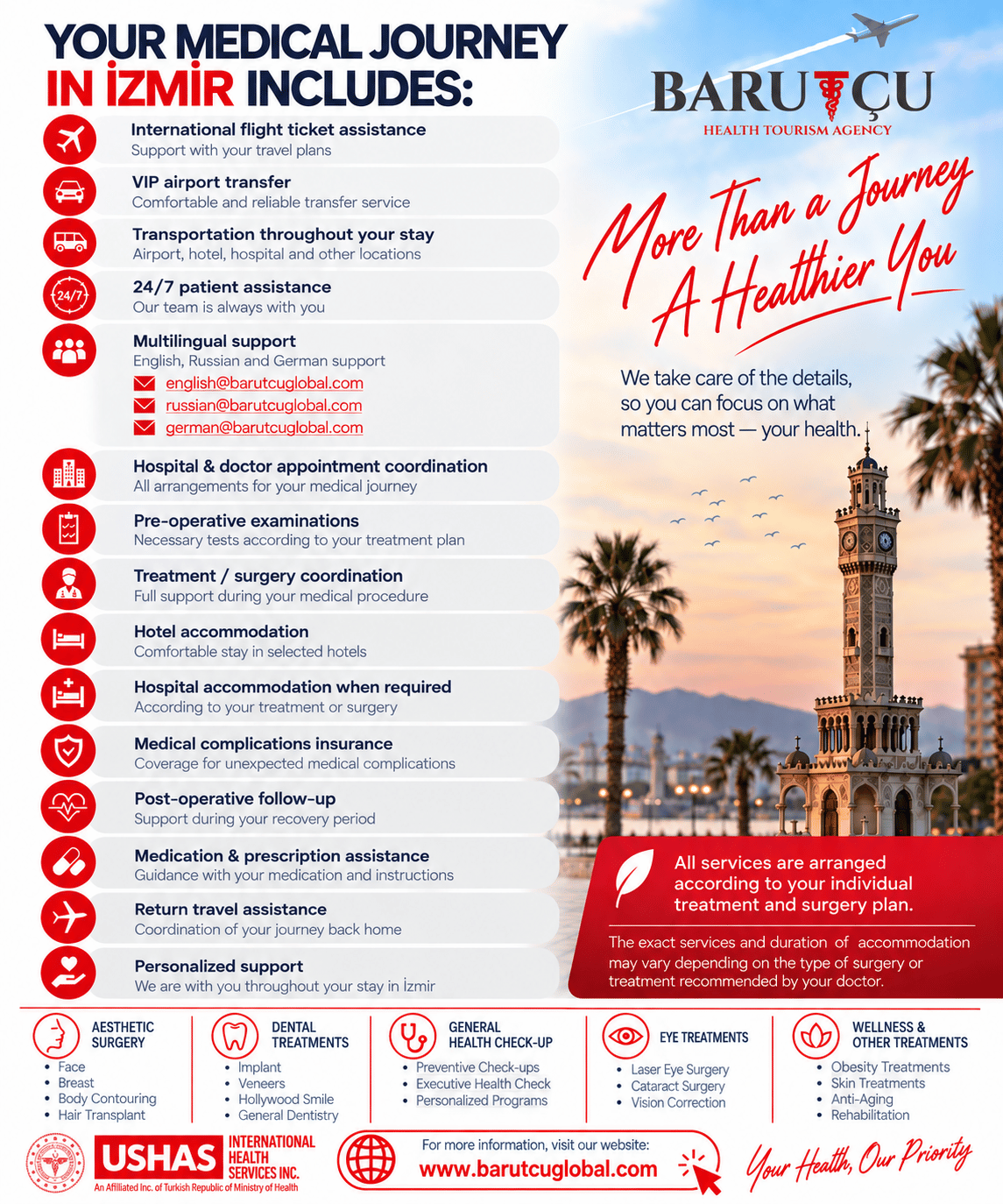
Barutçu Global helps international patients organise the administrative and practical aspects of seeking healthcare in Türkiye. Support may include communication with the hospital, appointment coordination, medical document transfer, translation assistance, travel planning and follow-up communication.
Every patient’s medical situation is different. The appropriate treatment, expected hospital stay and recovery plan should be determined by the responsible medical specialists after reviewing the patient’s records and completing the necessary examinations.
Summary
Preparing for cardiac treatment abroad involves careful medical review, complete documentation, informed hospital selection and a realistic follow-up plan. Prepare your records early, ask direct questions, confirm travel and cost arrangements in writing, and ensure that communication continues after you return home. With thorough planning and qualified medical guidance, international patients can make better-informed decisions about cardiology treatment in Izmir and Türkiye.