Mental Health Travel and Medication: Questions to Discuss Before Booking Treatment Abroad
Travelling abroad for mental health treatment requires careful planning that goes beyond choosing a clinic or arranging flights. Whether you are considering psychiatric care, psychotherapy, a structured wellness programme or a second opinion, your medication, medical history, personal safety and continuity of care should be discussed before you make a booking. This guide explains the key questions international patients should ask when exploring mental health treatment abroad, including care options in Izmir, Türkiye.
Is travelling abroad suitable for your current mental health needs?
International treatment is not appropriate for every situation. Travel, unfamiliar surroundings, language differences and changes to your daily routine can increase stress, particularly if symptoms are unstable. Before booking, speak with your current psychiatrist, psychologist or primary care doctor about whether you are medically and emotionally fit to travel.
Ask your healthcare professional:
- Is it safe for me to travel at this stage of treatment?
- Could a long flight, lack of sleep or time-zone changes affect my symptoms?
- Do I need a companion or additional support during the journey?
- What warning signs should prompt me to postpone travel or seek urgent care?
If you are experiencing an immediate mental health crisis, thoughts of self-harm, severe confusion, psychosis or an inability to care for yourself, international travel should not replace urgent local medical support. Discuss emergency planning with a qualified healthcare professional before making arrangements.
What type of mental health treatment are you considering?
“Mental health treatment abroad” can refer to very different services. These may include psychiatric assessment, medication review, individual psychotherapy, trauma-focused therapy, addiction treatment, inpatient care, intensive outpatient programmes or multidisciplinary evaluations. Some patients seek a second opinion, while others require a structured treatment plan that can continue after returning home.
Before contacting a provider, clarify the purpose of your trip. You may wish to ask:
- What diagnosis or concern will the assessment address?
- Will the first appointment be an evaluation rather than immediate treatment?
- Which professionals will be involved in my care?
- How long does the proposed programme usually last?
- Is inpatient, outpatient or residential care being recommended?
- How will progress be reviewed during and after the programme?
A reputable provider should explain what the service includes, what it does not include and when a different level of care may be more appropriate.
Questions about psychiatric medication before travelling
Medication planning is one of the most important parts of medical travel for mental health care. Medicines that are prescribed legally in one country may be restricted, controlled or unavailable in another. Rules may also vary depending on the quantity, formulation and active ingredient.
Ask both your current doctor and the treatment provider abroad:
- Should I continue taking my medication during travel?
- Will the medicine be available in Türkiye under the same or an equivalent name?
- Can the receiving psychiatrist prescribe or renew it legally?
- Are there restrictions on bringing this medication into the country?
- Do I need an original prescription, a doctor’s letter or other documentation?
- Should medication be carried in hand luggage and kept in its original packaging?
- What should I do if my medication is lost, delayed or damaged?
Do not stop, reduce, increase or replace psychiatric medication without medical supervision. Some medicines can cause withdrawal symptoms, rebound symptoms or other risks if changed suddenly. The treatment provider should receive an accurate list of all prescribed medicines, over-the-counter products, supplements and substances you use.
Prepare a clear medication record
Bring a written medication list that includes the generic name, brand name, strength, dosage, timing and reason for use. Include any known allergies, previous side effects and medicines that have not worked well for you. A letter from your prescribing clinician may be helpful, especially when travelling with controlled medicines.
Because regulations can change, verify import requirements with the relevant embassy, customs authority, airline and healthcare professionals before departure. A provider or medical travel coordinator may help you identify the appropriate authority, but you remain responsible for carrying documentation that meets travel requirements.
How will your medical history be shared securely?
Accurate clinical information supports safer assessment and more coordinated care. Ask how the provider collects, stores and shares your medical records. You should understand who can access your information, whether your consent is required before records are shared and how confidentiality is maintained.
Useful documents may include:
- A summary of previous diagnoses and treatments
- Recent psychiatric or psychological assessment reports
- Medication history and allergy information
- Relevant physical health records
- Previous hospitalisation or emergency care details
- Contact details for your current clinician, if you consent to communication
Provide translated documents when necessary, but ensure that translations are accurate and clinically complete. Do not omit information because it feels sensitive or embarrassing. Substance use, previous self-harm, eating difficulties, sleep problems and other factors may affect treatment planning.
Choosing a mental health provider abroad
When comparing international mental health clinics or hospitals, look beyond promotional language. Review the qualifications and licensing of the professionals involved, the type of facility, the services available in an emergency and the arrangements for follow-up care.
Questions to ask a provider in Izmir or elsewhere in Türkiye include:
- Are the psychiatrist, psychologist or therapists appropriately licensed to practise?
- What languages are available for consultations and written information?
- Is professional medical interpretation available if needed?
- What happens if my symptoms worsen during the programme?
- Is 24-hour support available, and where would emergency care take place?
- Will I receive a written clinical summary and medication plan?
- Can the provider communicate with my doctor at home with my consent?
Language is particularly important in mental health care. Effective therapy depends on discussing emotions, memories, risks and personal circumstances accurately. If you are not fully comfortable communicating in English or the local language, ask whether a qualified medical interpreter can attend sessions. Avoid relying solely on a family member or an automatic translation tool for sensitive clinical discussions.
Travel, accommodation and daily support
Your travel arrangements should support recovery rather than create additional pressure. Confirm whether the recommended programme requires frequent appointments, rest periods or supervised accommodation. Consider the distance between your hotel and the clinic, access to food and medication, privacy, mobility needs and the availability of a trusted companion.
Before departure, plan:
- How you will travel to appointments
- Where you will store medication securely
- Who can assist you if you become unwell
- How you will access a local pharmacy or emergency department
- How you will manage sleep, meals and communication with family
Travel insurance may exclude pre-existing mental health conditions or treatment undertaken specifically abroad. Read the policy carefully and ask whether it covers psychiatric emergencies, hospitalisation, medical evacuation, medication-related issues and changes to your return journey.
What should happen after treatment?
Continuity of care is essential. A short appointment or treatment programme cannot always address complex mental health needs, and improvement may require ongoing care after you return home. Before booking, ask for a written discharge or follow-up plan.
This plan may include:
- The working diagnosis or clinical findings, where appropriate
- Medication instructions and monitoring recommendations
- Therapy or lifestyle recommendations
- Signs that require urgent medical attention
- Recommended follow-up appointments
- Contact details for the treating provider
- Guidance for communication with your local healthcare team
Ask whether follow-up consultations can be provided remotely and whether online care is legally and clinically appropriate in your country. Your local doctor should know about any medication changes, new diagnosis or treatment recommendations made abroad.
Cost, consent and realistic expectations
Request a written explanation of the treatment package, including consultation fees, tests, medication costs, interpretation, accommodation, transportation and follow-up services. Clarify which services are optional and what may lead to additional charges.
Every mental health intervention has potential benefits, limitations and risks. Be cautious of providers promising guaranteed recovery, instant results or a single treatment that is suitable for everyone. You should receive enough information to provide informed consent and enough time to ask questions before treatment begins.
Final checklist for international patients
Before booking mental health treatment abroad, confirm that you have:
- Discussed travel with your current healthcare professional
- Checked medication import and prescription requirements
- Prepared accurate medical records and a medication list
- Verified the provider’s qualifications and emergency arrangements
- Confirmed language support and confidentiality procedures
- Reviewed insurance exclusions and travel requirements
- Arranged accommodation, transport and personal support
- Received a clear aftercare and return-home plan
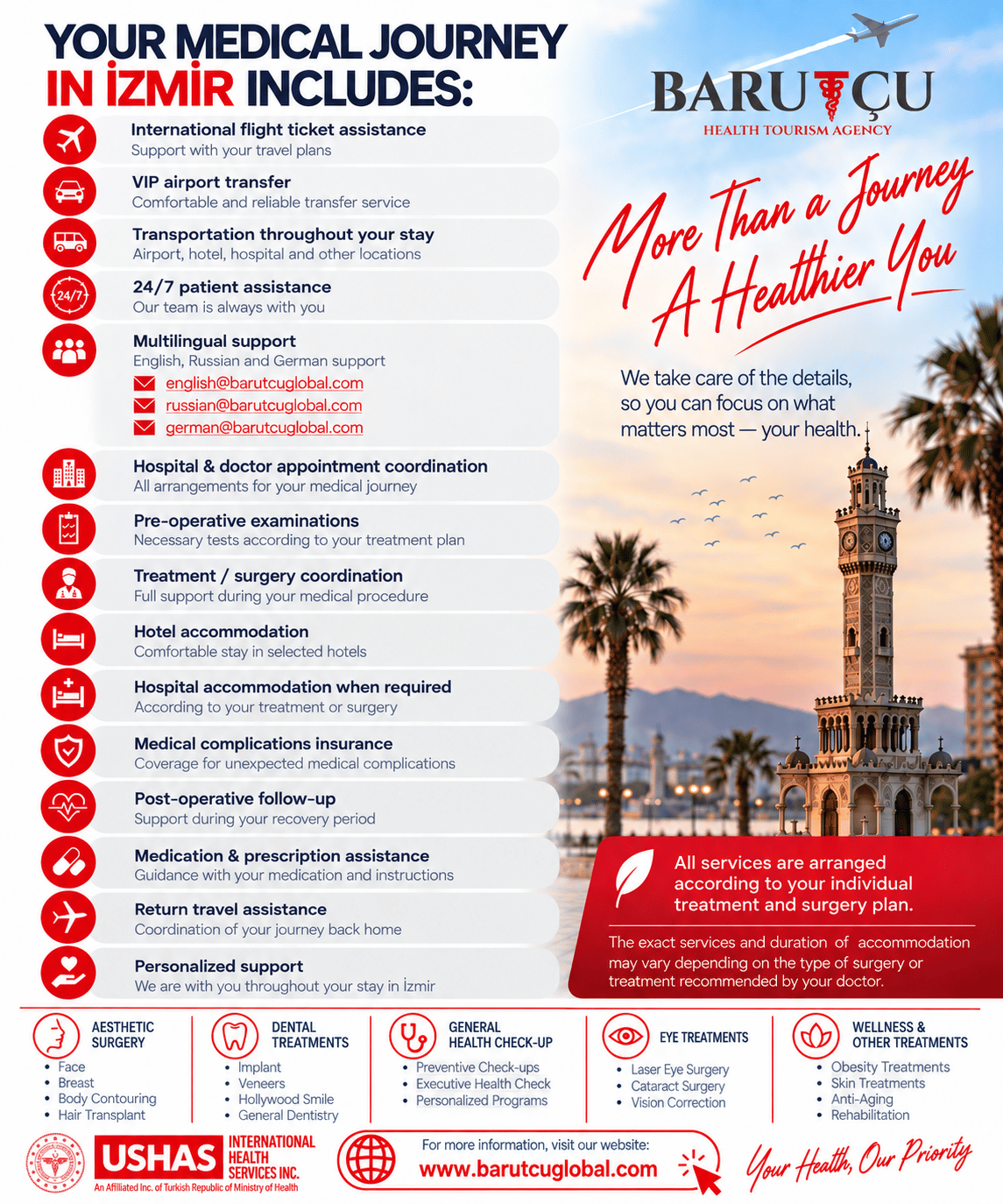
Mental health travel should be planned as a coordinated healthcare journey, not simply as a trip abroad. At Barutçu Global, international patients can discuss practical arrangements, communication needs and coordination questions before contacting a suitable healthcare provider in Izmir, Türkiye. Any final decision about diagnosis, medication or treatment should be made with qualified mental health professionals who have reviewed your individual circumstances.