Rhinoplasty in Türkiye for Russian-Speaking Patients: How to Check Surgeon Credentials and Communication
Choosing rhinoplasty abroad is an important medical decision, and selecting a qualified surgeon is only one part of the process. For Russian-speaking patients considering rhinoplasty in Türkiye, clear communication, reliable medical information and organised aftercare are equally important. A successful patient journey should begin with careful research before travel and continue with appropriate support after returning home.
Türkiye, including İzmir, is a popular destination for international patients seeking functional or aesthetic nose surgery. However, the quality of care can vary between providers. This guide explains how to assess a rhinoplasty surgeon’s credentials, evaluate communication standards and prepare for treatment with greater confidence.
Understand What Rhinoplasty Involves
Rhinoplasty is surgery to reshape the nose. Depending on the patient’s needs, it may address appearance, breathing or both. Some patients require primary rhinoplasty, while others seek revision rhinoplasty after previous surgery. Nasal structure, skin thickness, septal deviation, previous trauma and overall facial balance can all affect the surgical plan.
A consultation should therefore be individualised. Before recommending a procedure, the surgeon should assess your medical history, breathing, nasal structure and expectations. A video consultation can be useful before travelling, but it does not replace an in-person examination when this is medically necessary.
How to Check a Rhinoplasty Surgeon’s Credentials in Türkiye
1. Confirm the medical specialty
Rhinoplasty may be performed by an appropriately trained specialist in plastic, reconstructive and aesthetic surgery or by an ear, nose and throat specialist with relevant rhinoplasty experience. The important issue is not only the title, but whether the surgeon’s training and current practice are relevant to your needs.
Ask for the surgeon’s full professional name, medical specialty and licence information. You may also request details about the hospital or clinic where the operation will take place. These details should be provided clearly and consistently in your correspondence.
2. Check official registration and professional membership
Patients can ask the provider how the surgeon’s licence and specialist status can be verified through the relevant Turkish authorities. The Turkish Ministry of Health and recognised professional organisations can be useful starting points for confirming whether a practitioner is authorised to work in Türkiye.
Membership in a professional society may indicate an interest in ongoing education, but it should not be treated as the only proof of competence. Professional membership, specialist qualification, hospital privileges and rhinoplasty experience should be considered together.
3. Ask about specific rhinoplasty experience
General surgical experience is not the same as extensive experience in rhinoplasty. Ask how frequently the surgeon performs primary and revision nose surgery and whether they regularly manage functional concerns such as nasal obstruction or septal deviation.
You can also ask to see appropriately presented before-and-after photographs. Images should be genuine, relevant to your type of case and shown with appropriate consent. Be cautious if photographs are heavily edited, if every result looks identical or if the provider promises a particular appearance without a proper assessment.
4. Confirm where surgery will take place
Rhinoplasty should be carried out in a properly equipped, authorised medical facility with access to anaesthesia, monitoring and emergency support. Ask for the exact name and location of the hospital or clinic, as well as information about the anaesthetist and the planned length of observation after surgery.
If a package includes accommodation or transfers, these services should not distract from the medical essentials. A low price or a luxury hotel does not demonstrate surgical quality. The most important factors are qualified medical staff, a suitable facility and a clear follow-up plan.
Communication Matters for Russian-Speaking Patients
Language is a safety issue, not simply a convenience. You should be able to understand the proposed procedure, possible risks, alternatives, recovery expectations and consent documents before agreeing to surgery.
If you prefer to communicate in Russian, ask whether the surgeon or a medically trained coordinator can provide Russian-language support. A general interpreter may help with travel arrangements, but medical discussions should be handled by someone who understands healthcare terminology and can communicate accurately.
Questions to ask about language support
- Will a Russian-speaking coordinator be available before and after surgery?
- Can the consultation be conducted with a qualified medical interpreter if needed?
- Will consent forms and discharge instructions be explained in a language you understand?
- Who should you contact if you develop symptoms after returning home?
- Can the surgeon communicate directly with you, rather than relying only on a sales representative?
Good communication should continue throughout the process. You should receive consistent information about the procedure, surgeon, hospital, accommodation, medication and follow-up. If different representatives provide conflicting answers, ask for clarification in writing before making travel arrangements.
Important Questions Before Booking Rhinoplasty in Türkiye
A detailed consultation can help you assess whether the surgeon understands your goals and whether your expectations are realistic. Consider asking:
- What type of rhinoplasty may be suitable for my anatomy and concerns?
- Will the operation address breathing as well as appearance, if required?
- What are the main risks and possible complications?
- What type of anaesthesia will be used?
- How long should I remain in İzmir or another Turkish city after surgery?
- When will the first check-up and dressing or splint removal take place?
- What happens if I need additional medical attention after returning home?
- What is included in the quoted price, and what may involve an additional charge?
Ask for a written treatment plan and a transparent quotation. The document should distinguish between surgical fees, hospital or facility charges, anaesthesia, tests, medication, accommodation, transfers and follow-up services. Avoid making a decision based solely on an online image assessment or a promotional discount.
Preparing for Travel from Abroad
Before travelling to Türkiye for rhinoplasty, provide accurate information about your medical history, allergies, previous nasal surgery, regular medication and any relevant health conditions. Do not withhold information because you are concerned that it may affect your eligibility for surgery. Your surgeon and anaesthetist need complete information to assess your safety.
Confirm the practical details in advance:
- The hospital or clinic address and appointment schedule
- The identity and credentials of the surgeon
- How airport transfers and local transport will be arranged
- How many nights of accommodation are recommended
- What you should bring to your consultation and admission
- Whether you need travel insurance that covers medical care abroad
- What documentation is required for your return journey
Travel requirements can vary according to nationality and may change. Check current entry, visa and airline rules through official sources before departure. You should also discuss the timing of your return flight with the medical team. Flying too soon after surgery may be unsuitable for some patients, and the appropriate timeframe depends on your procedure and recovery.
Aftercare and Follow-Up
Swelling, bruising, nasal congestion and temporary changes in sensation can occur after rhinoplasty. Recovery is gradual, and the final appearance may take time to develop. Your surgeon should explain what is expected and which symptoms require prompt medical review.
Before leaving Türkiye, make sure you receive written discharge instructions, medication information and a contact number for urgent concerns. Ask how follow-up appointments will be organised after you return home. A responsible provider should have a clear pathway for reviewing photographs or arranging communication with your local doctor when appropriate.
Do not rely on social media messages alone if you experience significant bleeding, breathing difficulty, fever, worsening pain or other concerning symptoms. Seek urgent medical advice locally and inform the Turkish medical team. Your travel company or coordinator should never replace qualified medical care.
Warning Signs to Consider
Take extra care if a provider:
- Promises guaranteed results or a “perfect” nose
- Refuses to identify the operating surgeon before booking
- Cannot explain where the procedure will be performed
- Pressures you to pay immediately
- Provides unclear or contradictory information
- Minimises possible risks or recovery limitations
- Offers surgery without an appropriate medical consultation
- Has no clear plan for complications or post-operative follow-up
How Barutçu Global Can Support International Patients
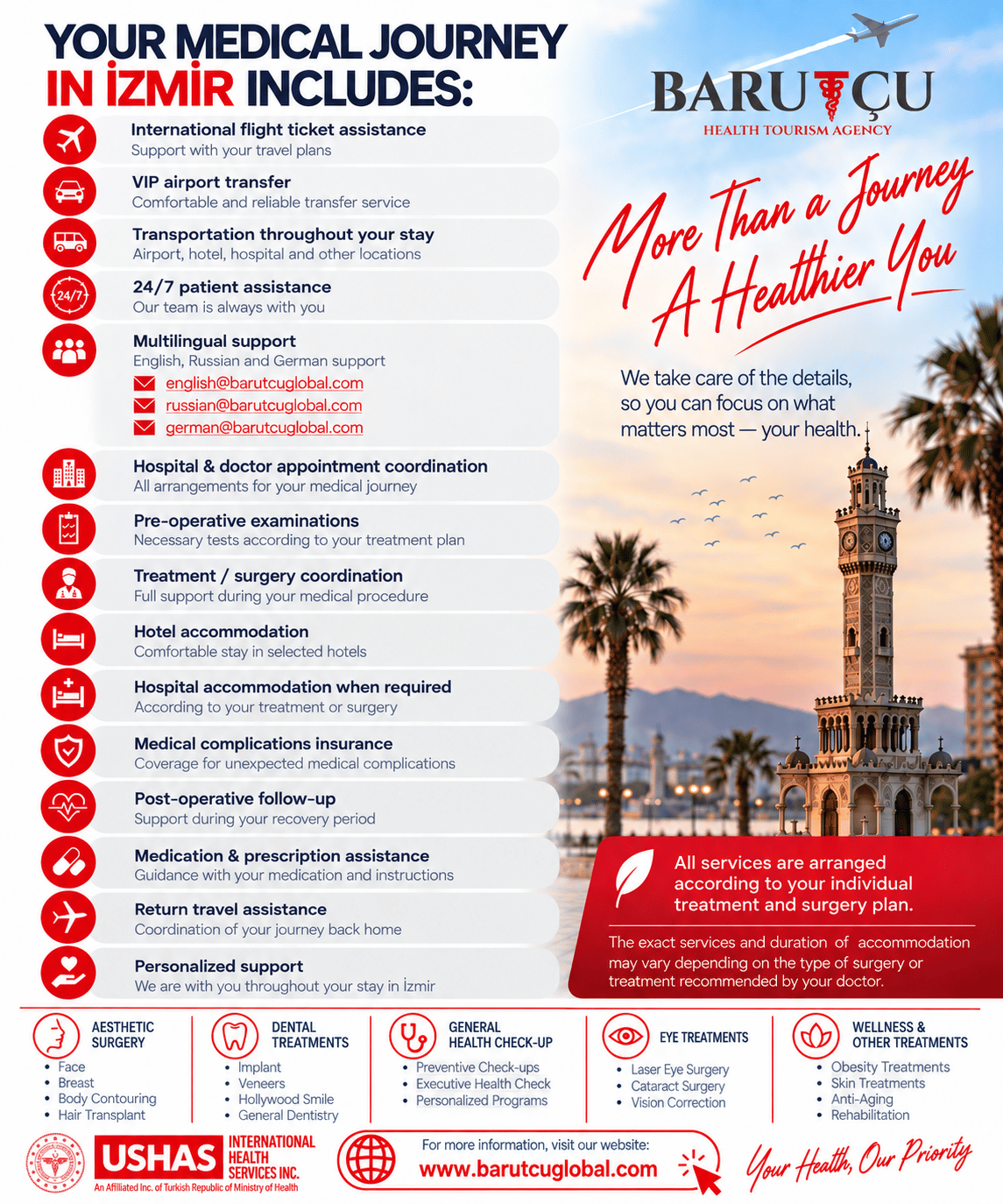
For patients considering rhinoplasty in Türkiye, Barutçu Global can help coordinate communication, appointments and practical arrangements with the relevant medical provider. International patients should still review the surgeon’s credentials, understand the proposed treatment and make informed decisions based on their own consultation.
Russian-speaking patients can ask in advance about language support, translated information and communication throughout the journey. The aim should be a coordinated experience in which medical decisions are made with the surgeon, while travel and administrative details are handled clearly and responsibly.
Conclusion
Choosing rhinoplasty in Türkiye should involve more than comparing photographs or package prices. Verify the surgeon’s specialty and professional status, investigate their relevant rhinoplasty experience, confirm the medical facility and insist on clear communication. For Russian-speaking patients, reliable language support and a documented follow-up plan are essential parts of safe international care.
With careful preparation, realistic expectations and professional guidance, you can approach your rhinoplasty journey in İzmir or elsewhere in Türkiye with better information and greater confidence.