Familial Hypercholesterolaemia and Medical Travel: Questions to Discuss Before Seeking Specialist Care Abroad
Familial hypercholesterolaemia (FH) is an inherited condition that can cause persistently high levels of low-density lipoprotein cholesterol (LDL-C). Because elevated cholesterol may not cause noticeable symptoms, many people are diagnosed only after a routine blood test, a family assessment, or the discovery of premature cardiovascular disease. When specialist services are limited, waiting lists are long, or a second opinion is needed, medical travel may be considered.
Seeking FH care abroad requires more than comparing consultation fees or hospital locations. Patients and families should understand the diagnostic process, treatment options, long-term follow-up requirements, and practical arrangements before travelling. This guide explains the key questions to discuss with an international specialist, whether you are considering care in Izmir, Türkiye, or another medical travel destination.
What Is Familial Hypercholesterolaemia?
Familial hypercholesterolaemia is usually caused by an inherited genetic change that affects the body’s ability to remove LDL cholesterol from the bloodstream. It may be present from birth and can affect several members of the same family. Some people have one altered gene copy, while rarer forms may involve changes in both copies and can require more intensive specialist management.
FH is different from cholesterol elevation caused only by diet, lifestyle, or other health conditions. However, these factors can still influence overall cardiovascular risk. Early recognition and appropriate long-term management can help reduce the risk of complications, but care must be tailored to the individual.
Why Consider Specialist FH Care Abroad?
Patients may explore international care for several reasons, including access to a lipid specialist, genetic counselling, advanced diagnostic testing, or a multidisciplinary cardiovascular service. Medical travel can also provide an opportunity to obtain an independent assessment when a diagnosis is uncertain or when treatment decisions require specialist input.
Before travelling, it is important to clarify the purpose of the visit. Are you seeking:
- Confirmation of a suspected FH diagnosis?
- A second opinion about cholesterol levels or cardiovascular risk?
- Genetic testing and family screening advice?
- Review of current medication and treatment response?
- Assessment for advanced lipid-lowering therapies?
- Evaluation of established cardiovascular disease?
A clearly defined objective helps the international clinic prepare for your visit and reduces the risk of unnecessary tests or delays.
Questions to Ask Before Choosing an International Clinic
Does the clinic have relevant specialist expertise?
Ask whether your care will be provided by a cardiologist, endocrinologist, internal medicine specialist, or lipidologist with experience in inherited cholesterol disorders. FH management may involve more than one discipline, particularly when there is a personal or family history of early heart disease.
You may also wish to ask:
- How frequently does the specialist manage patients with familial hypercholesterolaemia?
- Is there access to cardiovascular imaging or other relevant assessments?
- Can the clinic provide genetic counselling?
- Are laboratory services accredited and experienced in lipid and genetic testing?
- Will a multidisciplinary team review complex cases?
Rather than relying only on promotional claims, request clear information about the specialist’s qualifications, the clinic’s accreditation, and the scope of services available.
How will the diagnosis be assessed?
There is no single test that confirms every case of FH. Specialists commonly consider the patient’s cholesterol history, physical findings, personal medical history, family history, and, where appropriate, genetic testing. Other causes of high cholesterol may also need to be excluded.
Ask the clinic which records and laboratory results are required before travel. It may be useful to provide previous LDL-C measurements, medication history, reports of cardiovascular investigations, and information about relatives with high cholesterol or early heart disease.
Genetic testing can support a diagnosis, but a negative result does not always exclude FH. The interpretation of results should be performed by a qualified professional who can explain what the findings may mean for the patient and their relatives.
What Treatment Options Should Be Discussed?
FH treatment is generally long term. Depending on the individual’s age, cholesterol levels, cardiovascular history, risk factors, and previous response to therapy, a specialist may discuss lifestyle measures and one or more lipid-lowering medicines.
Possible treatment categories may include:
- Statins or other oral lipid-lowering medicines
- Additional medicines used when LDL-C remains above the agreed target
- Injectable therapies for selected patients
- Lipoprotein apheresis in rare and highly specialised circumstances
The most appropriate option depends on clinical assessment. Patients should not stop, restart, or change prescribed medicine solely because they are travelling. Instead, ask the specialist to explain the purpose of each treatment, expected monitoring, possible side effects, and what will happen if a medicine is unavailable in your home country.
Are advanced treatments available and appropriate?
Some international centres offer specialised therapies that may not be readily accessible in every country. However, availability does not automatically mean that a treatment is suitable. Ask about the medical criteria, expected benefits, possible risks, treatment frequency, and whether the therapy requires repeated visits.
If a procedure such as lipoprotein apheresis is being considered, clarify how long each session takes, how many sessions may be required, whether the treatment is continuous, and how follow-up will be organised after you return home. A treatment plan that cannot be maintained locally may not be practical for long-term care.
Preparing Your Medical Information for Travel
A complete medical file helps the overseas specialist make a safer and more informed assessment. Consider preparing the following documents in English or in the language requested by the clinic:
- Recent and historical cholesterol test results, including LDL-C, HDL-C, and triglycerides
- A list of current and previous medicines, including doses and side effects
- Relevant blood test results, such as liver or kidney function tests
- Cardiology reports, imaging results, electrocardiograms, or previous procedures
- Genetic test reports, if available
- A family history of high cholesterol, heart attacks, strokes, or sudden cardiac events
- Details of allergies, existing conditions, and previous operations
Ask whether the clinic accepts digital records and whether certified translations are needed. Keep copies of all documents with you and ensure that your home doctor also receives any new reports after the consultation.
Questions About Follow-Up After Returning Home
FH is not usually managed through a single appointment. Before travelling, ask how follow-up will be provided once you return home. Important questions include:
- Who will review future cholesterol results?
- How often should monitoring take place?
- Can the overseas specialist communicate with your local doctor?
- Will the clinic provide a written treatment plan and medical summary?
- What should you do if side effects or other concerns develop?
- Can prescriptions issued abroad be filled in your country?
Medication names, formulations, prescribing rules, and reimbursement policies can differ between countries. Confirm these details before committing to a treatment plan. If ongoing care requires regular injections, infusions, or apheresis, discuss whether an equivalent service is available near your home.
Practical and Safety Considerations for Medical Travel
Ask for a written estimate that separates consultation fees, laboratory tests, imaging, genetic testing, medicines, procedures, translation, and transportation. Treatment costs can change if additional investigations are required, so clarify what is included and what may incur an additional charge.
Check whether your travel or health insurance covers planned medical care abroad, complications, emergency treatment, and changes to your return journey. Planned treatment and emergency care may be handled under different policies.
Travel timing is also important. If you are undergoing an invasive procedure or starting a new therapy, ask the treating team whether flying soon afterwards is appropriate. Patients with chest pain, severe shortness of breath, sudden weakness, or other urgent symptoms should seek emergency medical care rather than travelling for a routine appointment.
How Barutçu Global Can Support International Patients
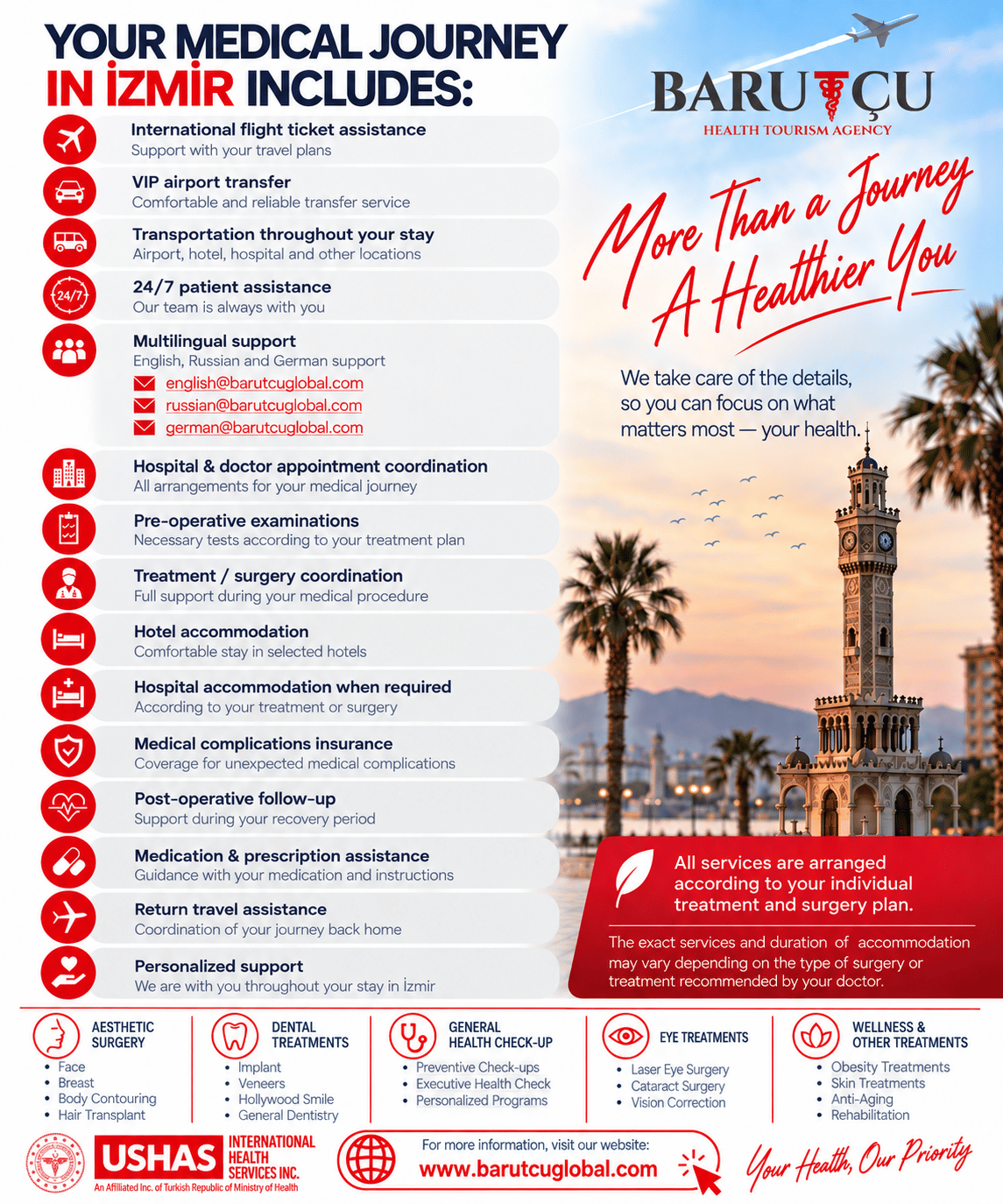
Barutçu Global can help international patients organise the practical aspects of seeking specialist healthcare in Türkiye, including appointment coordination, communication support, medical document preparation, and travel planning. The clinical assessment and treatment decisions remain the responsibility of qualified healthcare professionals.
When requesting assistance, provide accurate information about your diagnosis, current treatment, medical history, and the purpose of your visit. This allows the appropriate clinic or specialist service to review your case and advise whether an in-person consultation is suitable.
Conclusion: Plan FH Care as a Long-Term Partnership
Familial hypercholesterolaemia requires informed, continuous care rather than a one-time solution. International specialist care may be valuable for diagnosis, second opinions, genetic counselling, or assessment of advanced treatment options, but the most important question is how care will continue after you return home.
Before travelling, confirm the specialist’s experience, the proposed diagnostic process, treatment suitability, total costs, and follow-up arrangements. With complete medical records and realistic expectations, patients can make better-informed decisions about FH care abroad and build a safer pathway between their international specialist and local healthcare team.