Hair Loss Abroad: Documents, Specialist Consultation and Aftercare
For people considering a hair loss consultation or hair transplant abroad, the most important step is not choosing a procedure—it is obtaining a clear diagnosis and a safe, realistic care plan. Hair loss can have many causes, and an international appointment should include a thorough medical assessment, transparent communication and a structured follow-up process. For patients travelling to Izmir or another destination in Türkiye, preparing the right documents and questions in advance can make the consultation more productive and the overall experience safer.
This guide explains what international patients should prepare before travelling, what to expect during a specialist consultation and how aftercare should be organised once they return home.
Why a proper hair loss assessment matters
Hair thinning is not always caused by the same condition. Pattern hair loss, stress-related shedding, nutritional deficiencies, hormonal changes, scalp disorders, medication effects and autoimmune conditions may all present differently. In some cases, hair loss may be temporary; in others, it may gradually progress without appropriate management.
A hair transplant is not automatically the right solution for every patient. A qualified dermatologist or hair restoration specialist should first assess the cause, the pattern and the stability of the hair loss. The consultation should also consider the condition of the donor area, the density of existing hair and the patient’s long-term expectations.
This is particularly important when seeking treatment abroad. A short online exchange or a procedure-focused consultation may not provide enough information to determine whether surgery is appropriate. Patients should expect the medical team to discuss alternatives, possible limitations and the need for long-term monitoring.
Documents to prepare before travelling
International patients can help the specialist by bringing a concise but complete medical history. Documents may be shared securely with the clinic before arrival, but original or recent copies should also be available during the appointment where possible.
Useful medical information may include:
- A timeline showing when the hair loss started and how it has changed
- Recent photographs of the hairline, crown, sides and back of the scalp
- Previous dermatology or trichology reports
- Results of recent blood tests, if available
- A list of current medicines, vitamins and supplements
- Information about previous hair treatments, scalp procedures or surgery
- Details of allergies, chronic conditions and previous reactions to anaesthesia or medicines
- A family history of hair loss or relevant autoimmune and hormonal conditions
Photographs are particularly helpful when they are taken in good lighting, without hair fibres, styling products or aggressive brushing. Images from different angles can help the medical team understand the progression of hair loss before the in-person examination.
Patients should not stop prescribed medication or begin supplements simply because they are planning treatment abroad. Any changes should be discussed with the prescribing doctor or the specialist responsible for the evaluation.
What happens during a specialist consultation?
A professional consultation should be a two-way conversation rather than a sales presentation. The specialist may examine the scalp, assess the donor area and use magnification or other diagnostic tools to evaluate follicle density and hair shaft quality. Depending on the patient’s history, additional laboratory tests or a referral to another specialist may be recommended.
The consultation may cover:
- The likely cause and pattern of hair loss
- Whether the condition appears stable or progressive
- The quality and availability of donor hair
- Whether non-surgical management should be considered first
- The potential benefits and limitations of hair restoration surgery
- The expected recovery process and temporary shedding
- Possible risks, including infection, scarring, uneven growth or an unnatural appearance
- The likely need for future monitoring or additional treatment
Patients should be cautious if a clinic promises a guaranteed result, recommends surgery without examining the scalp or focuses only on the number of grafts. A responsible plan should be based on the individual diagnosis, not on a standard package or a fixed treatment offer.
Questions to ask before choosing treatment
International patients may have limited time in the destination country, so preparing questions in advance is useful. The following topics can help clarify the medical and practical aspects of care:
- Who will perform each stage of the procedure?
- What professional qualifications and clinical experience does the treating team have?
- Which technique is being recommended, and why is it suitable for this case?
- How will the donor area be protected?
- What result is realistically achievable, and over what time frame?
- What are the possible complications and how are they managed?
- Which medicines or products may be used before and after treatment?
- How long should the patient remain in Izmir or Türkiye after the procedure?
- Who should the patient contact if a concern develops after returning home?
- What is included in the aftercare plan, and are follow-up consultations provided remotely?
A written treatment plan is preferable. It should explain the proposed procedure, the responsibilities of the clinic and the patient, the follow-up schedule and the arrangements for urgent medical advice if needed.
Planning the medical journey to Izmir and Türkiye
Medical travel involves more than booking a flight and a clinic appointment. Patients should allow enough time for an initial consultation, any required tests, the procedure if recommended and at least one early follow-up review. Travel plans should remain flexible in case the specialist advises postponing or reconsidering treatment.
Before travelling, patients should confirm:
- The clinic’s address and contact details
- The name and role of the treating specialist
- Whether a licensed medical facility will be used
- Translation or interpreting support, if required
- Transport arrangements and suitable accommodation
- Instructions about washing, shaving, medicines and activities before treatment
- Emergency contact procedures outside normal clinic hours
Patients should also disclose relevant travel and health information, including allergies, recent illnesses, blood-thinning medication and any condition that could affect healing. If a patient feels pressured to proceed without adequate time for questions, seeking a second medical opinion may be appropriate.
Aftercare is part of the treatment—not an optional extra
Hair restoration does not end when the patient leaves the clinic. The early healing period and the months that follow are important for monitoring the scalp and assessing hair growth. Instructions can vary according to the procedure and the patient’s medical history, so patients should follow the clinic’s personalised guidance rather than online advice from unverified sources.
Aftercare information may cover scalp cleansing, sleeping position, physical activity, sun exposure, swimming, headwear and the use of prescribed products. Patients should ask when they can safely resume work, exercise and air travel. They should also understand that visible growth is gradual and that temporary shedding may occur during the recovery process.
A reliable international patient programme should include planned communication after the patient returns home. This may involve video consultations, secure photo reviews or coordination with a local doctor when necessary. Patients should know which symptoms are expected and which require prompt assessment.
Contact a healthcare professional urgently if there is:
- Increasing severe pain or rapidly worsening swelling
- Fever, spreading redness or significant discharge
- Heavy or persistent bleeding
- Breathing difficulty, facial swelling or another possible allergic reaction
- Any sudden or concerning change in general health
These symptoms do not necessarily indicate a serious complication, but they should not be ignored. The treating clinic should provide clear instructions for urgent care both in Türkiye and after the patient has returned home.
What this means for international patients
The quality of a hair loss journey abroad depends on the entire care pathway: accurate assessment, qualified medical supervision, informed consent and accessible aftercare. A low-cost or fast procedure should never replace a proper diagnosis. Patients should have enough information to decide freely and should understand that results differ from person to person.
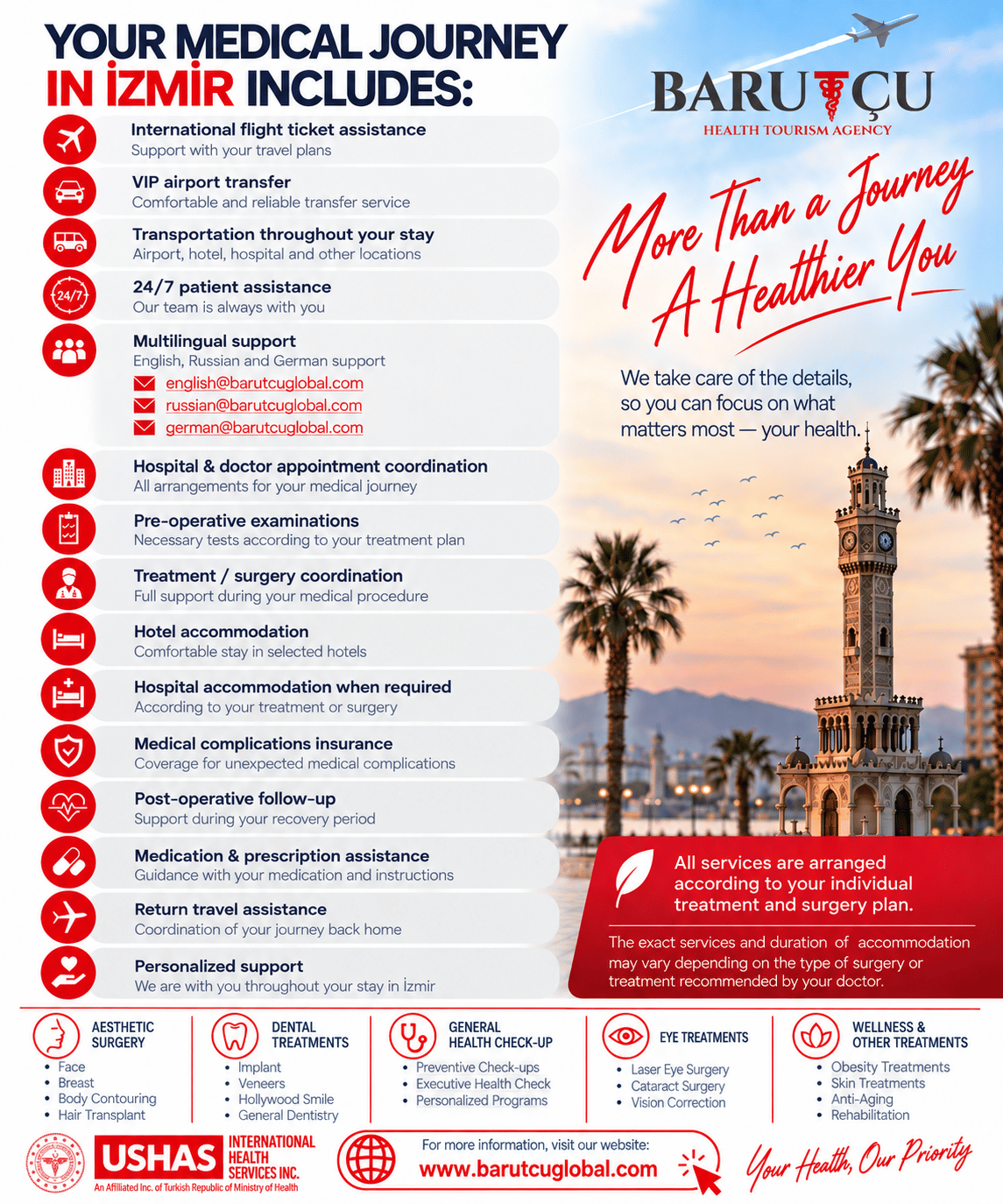
Barutçu Global supports international patients seeking organised healthcare services in Izmir and Türkiye by helping them prepare for consultations, understand the treatment pathway and coordinate communication with the medical team. Every patient should receive advice based on their individual health status, and medical decisions should be made with the responsible specialist.
Conclusion
Before travelling abroad for hair loss evaluation or hair restoration, gather your medical documents, prepare detailed questions and confirm how follow-up will work after you return home. The right consultation may recommend surgery, non-surgical management, further testing or simply continued monitoring. A careful, diagnosis-led approach is the best foundation for safe and informed healthcare decisions.