PRP Facial Rejuvenation Abroad: Suitability, Treatment Goals and Questions for Your Consultation
PRP facial rejuvenation has become a popular option for international patients seeking a minimally invasive approach to improving skin quality. Often described as a “vampire facial,” the treatment uses platelet-rich plasma prepared from a small sample of the patient’s own blood. The plasma is then applied or injected into selected areas of the face to support the skin’s natural renewal processes.
Travelling abroad for PRP treatment may offer access to experienced aesthetic practitioners, modern clinics and coordinated medical travel services. However, the right treatment depends on your skin condition, medical history, expectations and the provider’s clinical approach. This guide explains who may be suitable for PRP facial rejuvenation, what treatment goals are realistic, how to prepare for a consultation in İzmir or elsewhere in Türkiye, and which questions you should ask before booking.
What Is PRP Facial Rejuvenation?
Platelet-rich plasma, or PRP, is produced from the patient’s own blood. During a typical procedure, a clinician draws a small amount of blood and processes it in a centrifuge to separate the plasma and platelets from other blood components. The resulting PRP may be:
- Injected into specific areas of the face using a fine needle
- Applied to the skin after microneedling
- Used as part of a broader skin rejuvenation plan, depending on the practitioner’s assessment
Platelets contain substances involved in tissue repair and healing. In aesthetic medicine, PRP is used with the aim of supporting skin texture, hydration, firmness and overall appearance. Results vary between individuals and are influenced by factors such as age, skin condition, lifestyle, sun exposure and the number of sessions recommended.
What Treatment Goals Can PRP Support?
PRP is generally considered a skin-quality treatment rather than a surgical facelift or a replacement for volume-restoring procedures. Patients may consider PRP facial rejuvenation to support improvements in:
- Fine lines and early signs of skin ageing
- Uneven skin texture
- Dull or tired-looking skin
- Mild loss of skin elasticity
- Some forms of acne scarring
- Skin appearance around the eyes, when clinically appropriate
- Overall skin freshness and luminosity
The treatment is not designed to dramatically change facial shape, remove significant sagging or replace lost facial volume in the way that surgery or dermal fillers may. A responsible consultation should distinguish between concerns that may respond to PRP and those that may require another approach.
Who May Be Suitable for PRP Facial Rejuvenation?
PRP may be considered by adults who want a non-surgical treatment focused on skin quality and who have realistic expectations about gradual, natural-looking results. It can be attractive to patients who prefer an autologous treatment, meaning that their own blood is used rather than a synthetic injectable product.
Suitability cannot be determined from photographs alone. A qualified medical professional should review your health history, medications, skin condition and treatment goals before making a recommendation.
Factors That May Affect Suitability
Your practitioner may ask about:
- Blood disorders or conditions affecting platelet function
- Bleeding or clotting problems
- Use of anticoagulants or antiplatelet medicines
- Active skin infections, severe inflammation or open lesions
- Chronic medical conditions
- Pregnancy or breastfeeding
- Recent facial procedures, laser treatments or injectable treatments
- A history of abnormal scarring or delayed healing
Some conditions or medicines may make PRP unsuitable, require additional precautions or affect the timing of treatment. Do not stop prescribed medication without advice from the doctor who manages your care.
Why Consider PRP Treatment Abroad?
International patients may choose Türkiye for facial rejuvenation because it offers a developed medical tourism infrastructure, a wide range of aesthetic services and clinics accustomed to treating overseas visitors. İzmir, in particular, combines specialist healthcare services with an accessible coastal setting and international transport connections.
Choosing treatment abroad should be based on clinical standards and communication, not only on price. The provider should be able to explain who will perform the procedure, how the PRP is prepared, what aftercare is available and what happens if you experience a concern after returning home.
How to Choose a PRP Clinic in İzmir or Türkiye
Before making a decision, review the clinic and practitioner carefully. Consider the following points:
- Qualified medical supervision: Confirm that the assessment and procedure are performed by an appropriately qualified healthcare professional.
- Transparent treatment planning: The clinic should explain whether PRP alone is suitable or whether another treatment may better address your concerns.
- Appropriate infection control: Blood collection, processing and injection should take place using sterile, single-use equipment and proper clinical protocols.
- Clear communication: You should receive understandable information about benefits, limitations, risks and aftercare.
- Documented credentials: Ask about the practitioner’s experience with PRP and facial aesthetic procedures.
- Follow-up arrangements: International patients should know how the clinic will support them during recovery and after they return home.
Be cautious of providers who promise guaranteed results, use pressure to secure immediate payment or recommend multiple procedures without a proper consultation.
Questions to Ask During Your Consultation
A detailed consultation is essential, whether it takes place online before travel or in person after you arrive. You may wish to ask:
- Am I a suitable candidate for PRP facial rejuvenation?
- What specific skin concerns could this treatment realistically address?
- Will the PRP be injected, used with microneedling or applied in another way?
- Who will perform the blood collection and treatment?
- How is my blood processed, and what infection-control measures are used?
- How many sessions might be recommended, and at what intervals?
- When might I begin to notice changes in my skin?
- How long could the results last, and will maintenance sessions be discussed?
- What side effects or complications should I understand?
- How long should I remain in İzmir after the procedure?
- What activities, skincare products or cosmetic treatments should I avoid during recovery?
- Who should I contact if I experience unexpected symptoms after returning home?
What Happens During the Treatment?
The procedure usually begins with a medical assessment and cleansing of the skin. A small blood sample is collected and processed to prepare the PRP. The treatment area may be numbed with a topical anaesthetic, depending on the technique and your comfort.
The clinician then applies or injects the PRP into the selected areas. Treatment time varies according to the technique and whether it is combined with another procedure. Mild discomfort, redness, swelling or pinpoint marks may occur temporarily. Your provider should explain what is normal and which symptoms require medical review.
Recovery and Travel Considerations
Many patients can resume light daily activities relatively quickly, but the skin may appear red or feel sensitive for a short period. Recovery differs depending on whether PRP is injected, combined with microneedling or performed alongside another treatment.
If you are travelling for PRP, plan enough time for your consultation, procedure and any recommended follow-up. Avoid scheduling treatment immediately before a long flight, important event or intense physical activity without discussing the timing with your clinician. You should also receive written aftercare instructions before leaving the clinic.
Aftercare may include protecting the skin from direct sun exposure, avoiding unnecessary touching of the treated area and using only products recommended by your provider. Follow the clinic’s instructions rather than relying on general advice found online.
Possible Risks and Limitations
Although PRP uses material from your own body, it is not risk-free. Possible effects may include temporary pain, bruising, swelling, redness, tenderness, infection or changes in skin appearance. Injection-based procedures may also involve less common complications that should be explained during informed consent.
Results are not guaranteed. Some patients notice a gradual improvement in skin quality, while others may see limited change. PRP is also not an instant solution for deep wrinkles, pronounced facial laxity or substantial volume loss. A trustworthy provider will discuss alternatives if PRP is unlikely to meet your goals.
Making an Informed Decision About PRP Abroad
Before travelling, share accurate information about your medical history, allergies, medications and previous aesthetic treatments. Request a written treatment plan that outlines the proposed technique, expected recovery, follow-up arrangements and total costs. Make sure you understand what is included in any medical travel package and whether additional consultations or treatments are charged separately.
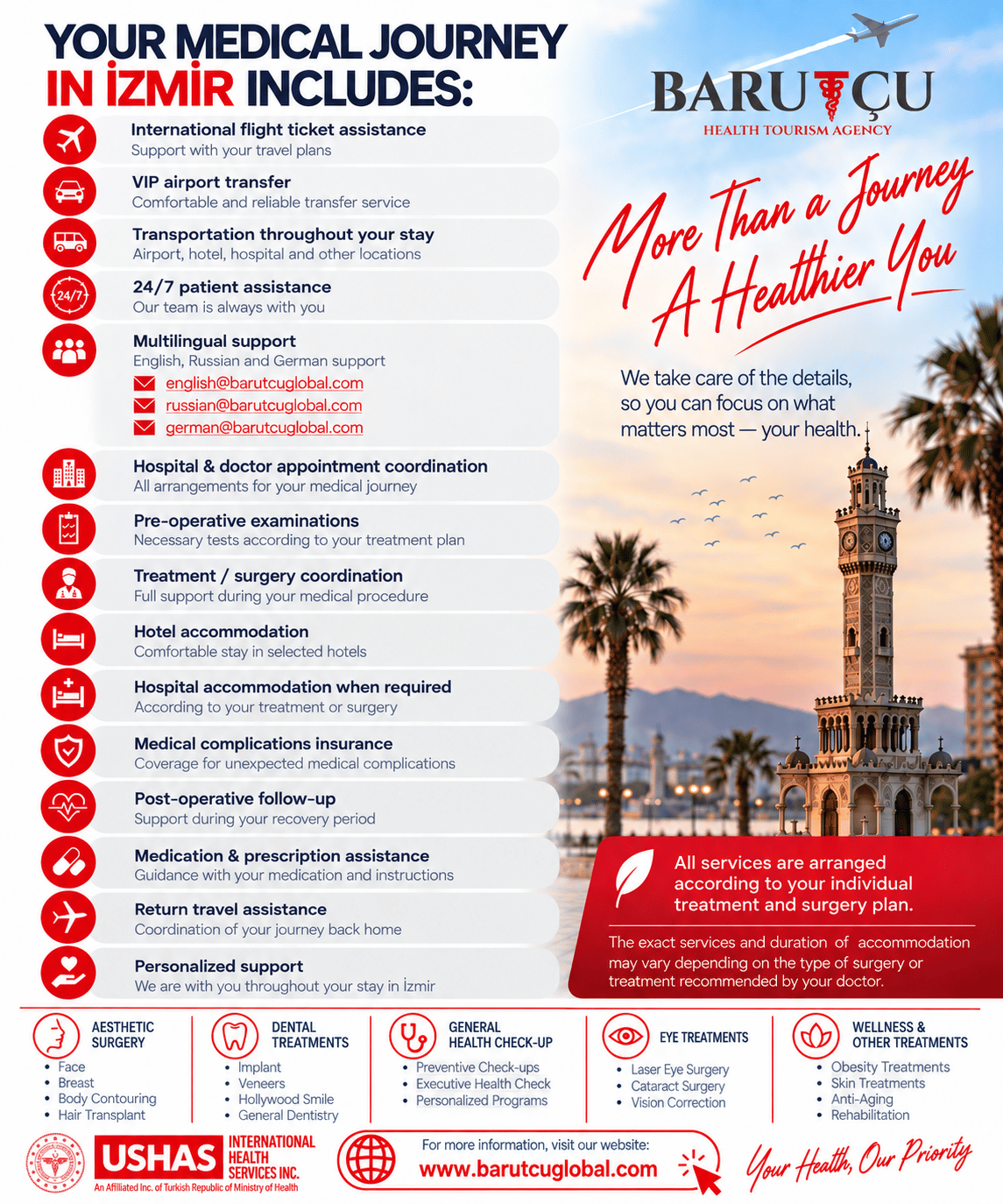
At Barutçu Global, international patients can seek guidance on arranging consultations and coordinating their healthcare journey in Türkiye. The final medical decision should always be made after evaluation by the treating healthcare professional.
Conclusion
PRP facial rejuvenation abroad may be an option for adults seeking a non-surgical treatment focused on skin texture, freshness and gradual rejuvenation. The best outcomes begin with realistic goals, careful provider selection and a thorough consultation. Whether you are considering PRP in İzmir or another destination in Türkiye, prioritise qualified medical care, transparent communication and appropriate follow-up over promises of rapid or guaranteed results.